

What to Expect
Before, During, & After the Bris
What a Perfect Circumcision Experience Should Be
No redundant foreskin
Your baby’s bris should leave no “extra” or redundant foreskin, so you don’t have to worry later about a second procedure or cosmetic corrections.
Quick (under one minute)
Rabbi Rappaport works calmly and confidently, so the circumcision is completed in under one minute, minimizing stress for your baby and you.
Painless
With proper numbing, gentle handling, and a streamlined technique, your baby should experience as little discomfort as possible, both during the Bris and in the hours afteward.
Precise
Every movement should be careful and exact, focused on a perfect circumcision that looks natural as your son grows.
Parents should be present
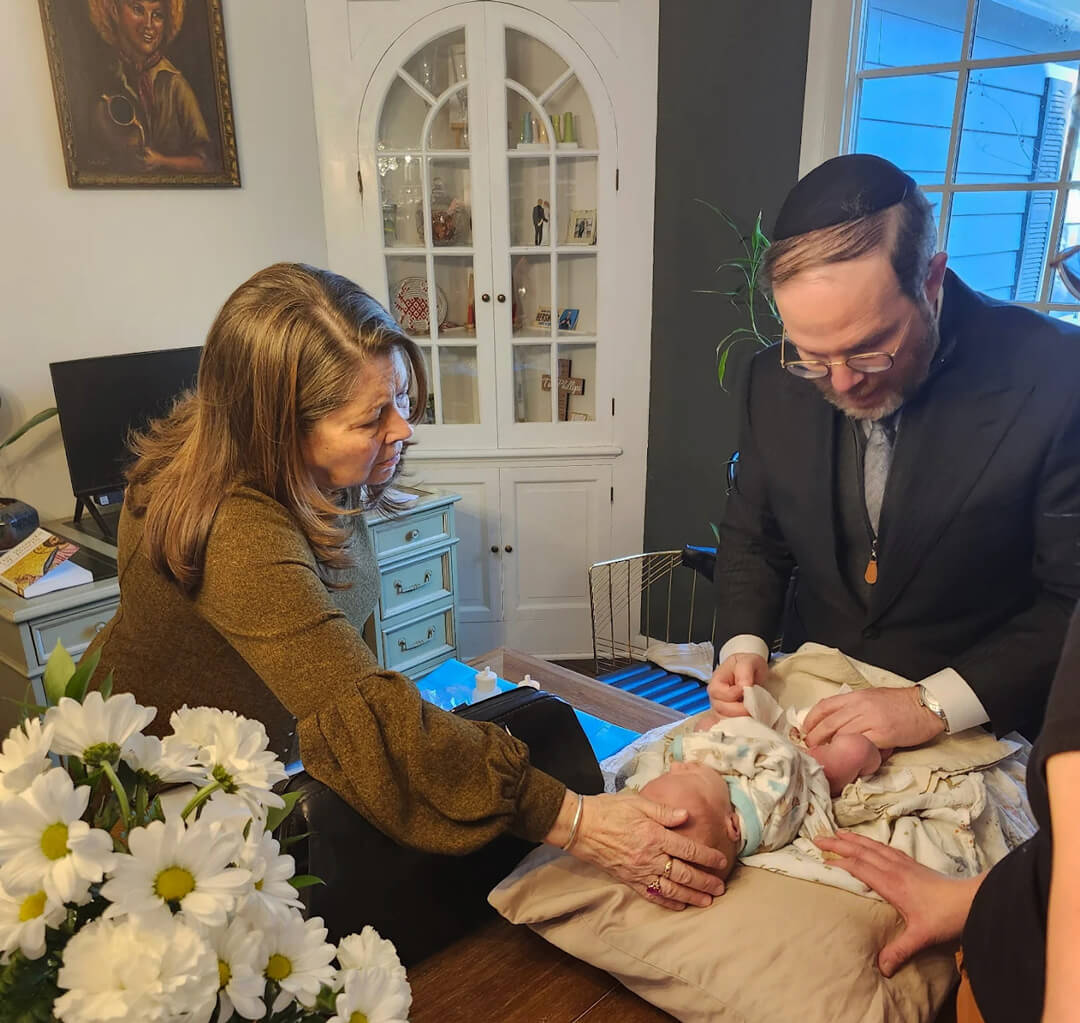
You deserve to be right there with your baby, not shut out in a hallway, as many parents report in hospital circumcisions. A truly perfect circumcision experience welcomes you to stand close, hold his hand, and feel part of this sacred mitzvah.
No deposits required in advance
Unlike standard commercial transactions, a Bris Milah is a deeply personal milestone. Throughout his 25-year career and his work with nearly 6,000 families, Rabbi Rapoport has maintained a steadfast policy of no down payments. He recognizes that when a baby is born, parents want to focus on their child and secure expert care without the hurdle of an upfront deposit.
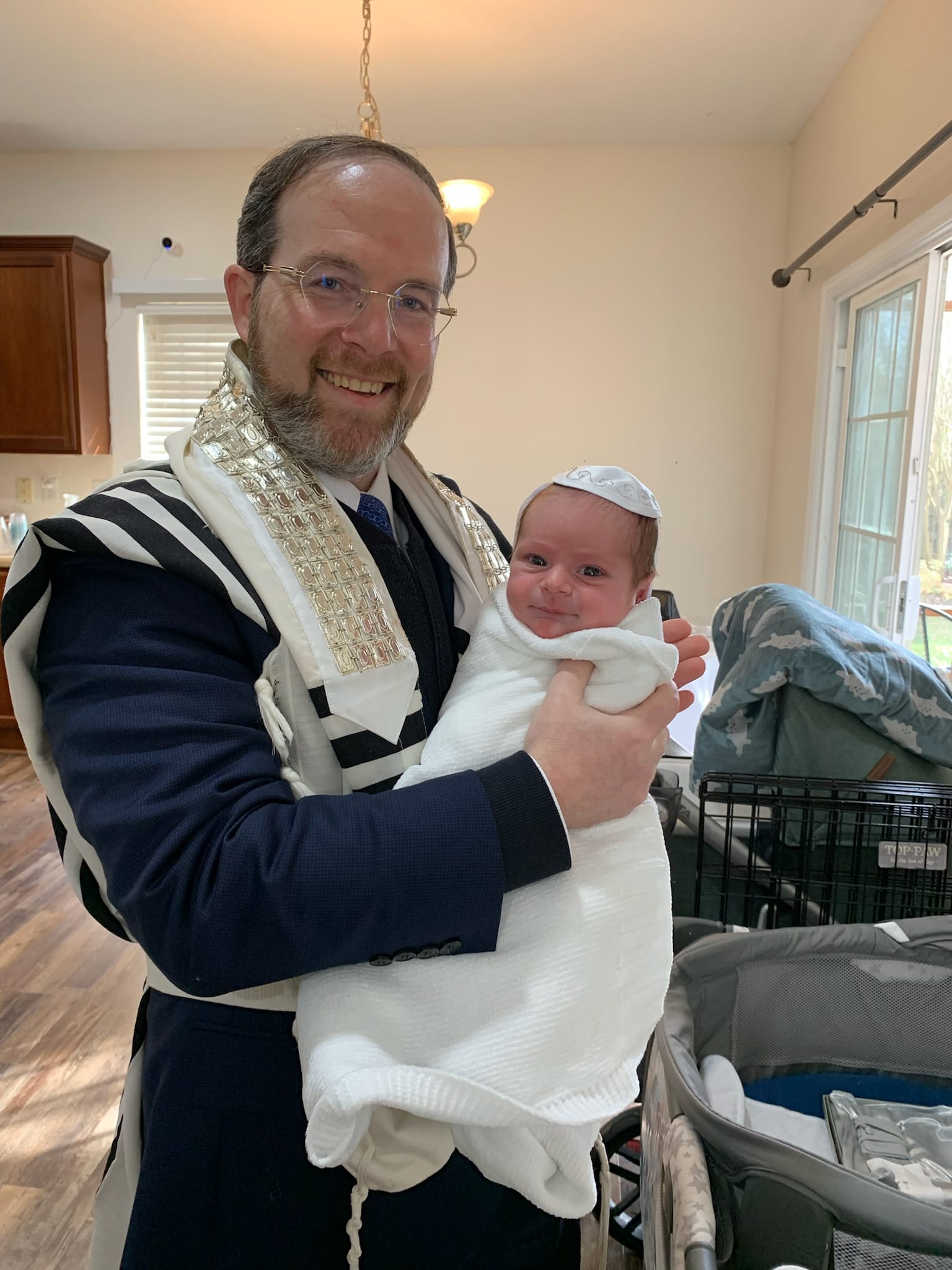
Equally important, a perfect circumcision experience honors both the medical precision and the spiritual beauty of the Bris. This sacred ceremony has meaningful roles and traditions that allow family members and loved ones to participate in welcoming your son into the covenant in a deeply personal way.
The Benefits of Rabbi Rappaport’s Perfect Circumcision Experience
- Rabbi Rappaport has devoted many years to circumcision as a dedicated specialist, so you are not trusting your baby to someone who “does this sometimes,” but to someone who does this every day with care and confidence.
- Before the Bris, he takes time to carefully look at your baby’s unique anatomy and answer your questions, so you feel informed and involved.
- During the circumcision itself, his precise technique is designed to support quick healing and a beautiful, natural-looking result as your son grows.
- The setting is calm and family-centered, with parents encouraged to be close by so your baby is surrounded by familiar faces and loving voices.
- After the ceremony, you will receive clear, step-by-step aftercare instructions, plus direct access to Rabbi Rappaport for any follow-up questions or concerns that may come up in the days that follow.
- He gently weaves together both the medical and spiritual parts of the Bris, honoring your faith while also focusing on your baby’s safety and comfort. This level of personal attention and continuity gives many parents a deep sense of confidence and peace of mind about their son’s circumcision.
Did Your Son Have a Perfect Circumcision Experience?
You’re not alone if you’re replaying your son’s circumcision in your mind and wondering if it really was the best it could have been. These gentle questions can help you think through what actually happened and whether you feel fully at peace with it:
1. Was he circumcised in a hospital or by a non-expert?
2. Were you, the parent, present?
3. Did the provider strap your baby down?
4. Did the circumcision take 10-15 minutes? (as it does in a hospital setting)
5. Is the tip fully exposed, or does the redundant foreskin come up?
6. Are you worried about your son’s circumcision?
If you answered “yes” to any of these, it simply means you may not have been given the full picture of your options, especially the difference between a long, clinical hospital circumcision and a quick, gentle, holistic bris with an expert mohel like Rabbi Rappaport.

MDMOhel
The Disadvantages of Hospital Circumcisions
Many parents are surprised to learn how different a hospital circumcision can feel from what they imagined for their baby.
In most hospitals, parents are not allowed to be in the room, so you may be left in the hallway, wondering what is happening and how your baby is coping.
Babies are typically strapped down on a hard board in a bright, clinical space, and the procedure can take 10 to 30 minutes, which can be stressful for everyone involved.
The doctor or staff member performing the circumcision is often juggling many responsibilities and may not specialize in circumcision alone, which can affect the precision and outcome. As a result, a significant number of hospital circumcisions are not cosmetically ideal, sometimes leaving extra foreskin, an uneven appearance, or issues that later need revision.
The whole experience can feel rushed, impersonal, and purely medical, with little room for emotional support or spiritual meaning, leaving many parents with lingering questions or worries about whether things could have been different.
Rabbi Rappaport is an Expert Circumcision Revisionist!
Sometimes, parents notice later that their son’s circumcision does not look or heal the way they expected. You might see extra foreskin, uneven skin, or adhesions, and feel a quiet worry every time you change his diaper or help him in the bath.
Rabbi Rappaport offers gentle circumcision revision procedures for infants, children, and adults when they are truly needed and medically appropriate. His goal is to help your son look and feel better while also providing you with clear information and steady support.
Rabbi Rappaport approaches circumcision revision procedures by:
- Correcting incomplete or uneven circumcisions.
- Releasing adhesions or skin bridges that may have formed.
- Improving both function and appearance in a thoughtful way.
- Providing clear explanations and realistic expectations before any procedure.
Each case is looked at one-on-one to decide if a revision is the right step for your child’s comfort and well-being. Families who work with Rabbi Rappaport often report feeling relieved to have someone experienced, calm, and detail-oriented guiding them through such a sensitive decision.
Honors Bestowed at the Bris
A Bris is not only a medical procedure, but a sacred ceremony filled with meaningful honors that allow family and loved ones to participate.
These honors may include:
- Kvater (a person or couple who enters with the baby).
- Kisei Shel Eliyahu (places baby on specially designated chair, known as The Chair of Elijah).
- Sandek (holds baby during bris ceremony).
- Sandek Me’umad (holds baby during naming ceremony).
- Brachos-Kri’as HaShem (recites blessings and names baby).
(NOTE: The last two honors may be split between multiple participants if desired)
Rabbi Rappaport will guide you through these honors and ensure each role is handled with clarity, reverence, and care, helping your family feel comfortable and fully involved in this once-in-a-lifetime moment.
How to Prepare for the Bris
Preparing properly for your baby’s Bris helps ensure the ceremony goes smoothly, and your baby remains comfortable before, during, and after the procedure. Rabbi Rappaport will guide you through every step so you feel fully prepared.
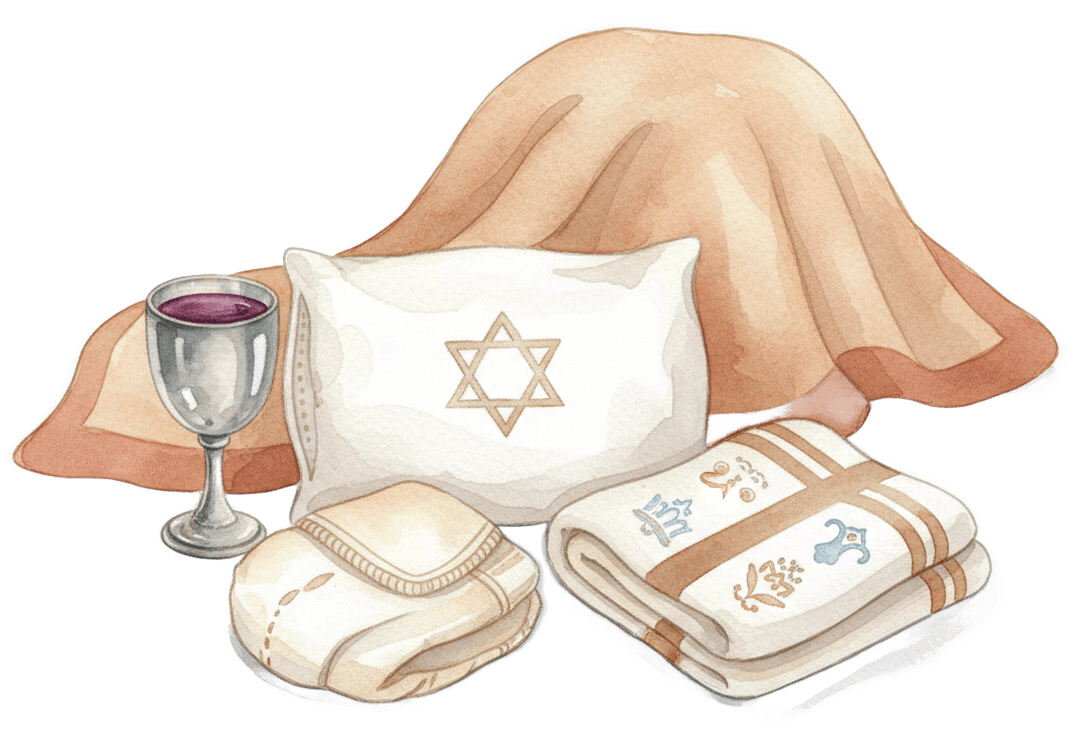
Things to be Prepared for the Bris:
Firm sleeping pillow.
4 cloth diapers or towels.
2 Tallis (prayer shawls).
Kosher sweet grape wine and kiddush cup.
Receiving blanket.
(NOTE: Rabbi Rappaport will supply Bacitracin and gauze needed for aftercare.)
Day of the Bris: Before the Ceremony
To help ensure the best outcome and comfort for your baby, please follow these simple guidelines:
- Do not soak or use ointments, creams, or lotions on the bris area; a sponge bath is acceptable.
- The last feeding should be within one hour before the Bris.
- Dress your baby in clothing that can be opened from the bottom for easy access.
- Wrap your baby in a receiving blanket.
These steps help keep your baby calm, comfortable, and ready for a smooth procedure.

Aftercare: What to Expect After the Bris
Rabbi Rappaport provides clear, simple aftercare instructions so you can confidently care for your baby during the healing process.
Day of Bris: After the Bris
- Apply Bacitracin on gauze and place it gently on top of the area at each diaper change.
- Your baby may lie in any position that seems comfortable, including on his stomach.
- If your baby appears uncomfortable, you may give a minimal dosage of liquid infant Tylenol according to instructions.
Healing and Care in the Days Following the Bris
Day After the Bris and Following Days
- Continue using Bacitracin on gauze over the entire bris area at each diaper change for the next 3 days.
- Mild redness is normal and will subside within a few days.
- A soft, light-colored healing scab may form and remain for several days. This is a normal and healthy part of healing.
Rabbi Rappaport remains available to answer any questions and ensure your baby heals properly and comfortably.

MDMOhel
Testimonials
“During nursing school, I observed dozens of circumcisions and Rabbi Rappaport’s procedure on our son was the most relaxed and least traumatic one I have ever seen.”